
The Iwatani Tough-Maru (タフまる) is a cassette gas stove, the same type of stove Japanese families use for hot pot at home, but built for wind and rough use outdoors.
My wife and I have used ours since last year, about five times at camp, and we also use it at home. Here is what we like, where we are careful, and how you can get one.
What is a cassette gas stove?
In Japan, cassette gas stoves (カセットコンロ, kasetto konro) are in almost every home. They run on small butane cans called CB cans (カセットボンベ), which you can buy at convenience stores and supermarkets all over Japan. That makes them very easy to use for camping too: if you run out of gas, the nearest convenience store usually has more.
Specs
These numbers come from Iwatani and Japanese retailers.
| Item | Details |
|---|---|
| Model | CB-ODX-1 |
| Size | About 341 x 283 x 129 mm (13.4 x 11.1 x 5.1 in) |
| Weight | About 2.4 kg (5.3 lb), stove only |
| Max output | 3.3 kW |
| Burn time | About 75 minutes per can |
| Load capacity | 20 kg (44 lb) |
| Fuel | CB butane can (cassette gas) |
| Case | Carrying case included |
What we like
It handles windy days
The Tough-Maru has a double windbreak that protects the flame from two sides. In our experience, it works without problems on windy days, so we can cook without worrying about a breeze.
The case makes it easy to carry
It comes with a hard carrying case. We just put it in the case and load it into the car. The stove feels solid, but we have never found it heavy to carry.
We use it at home too
We also use it at home when we make hot pot (鍋, nabe). A stove that works both at camp and at the dinner table is very handy.
Where we are careful
Very strong wind
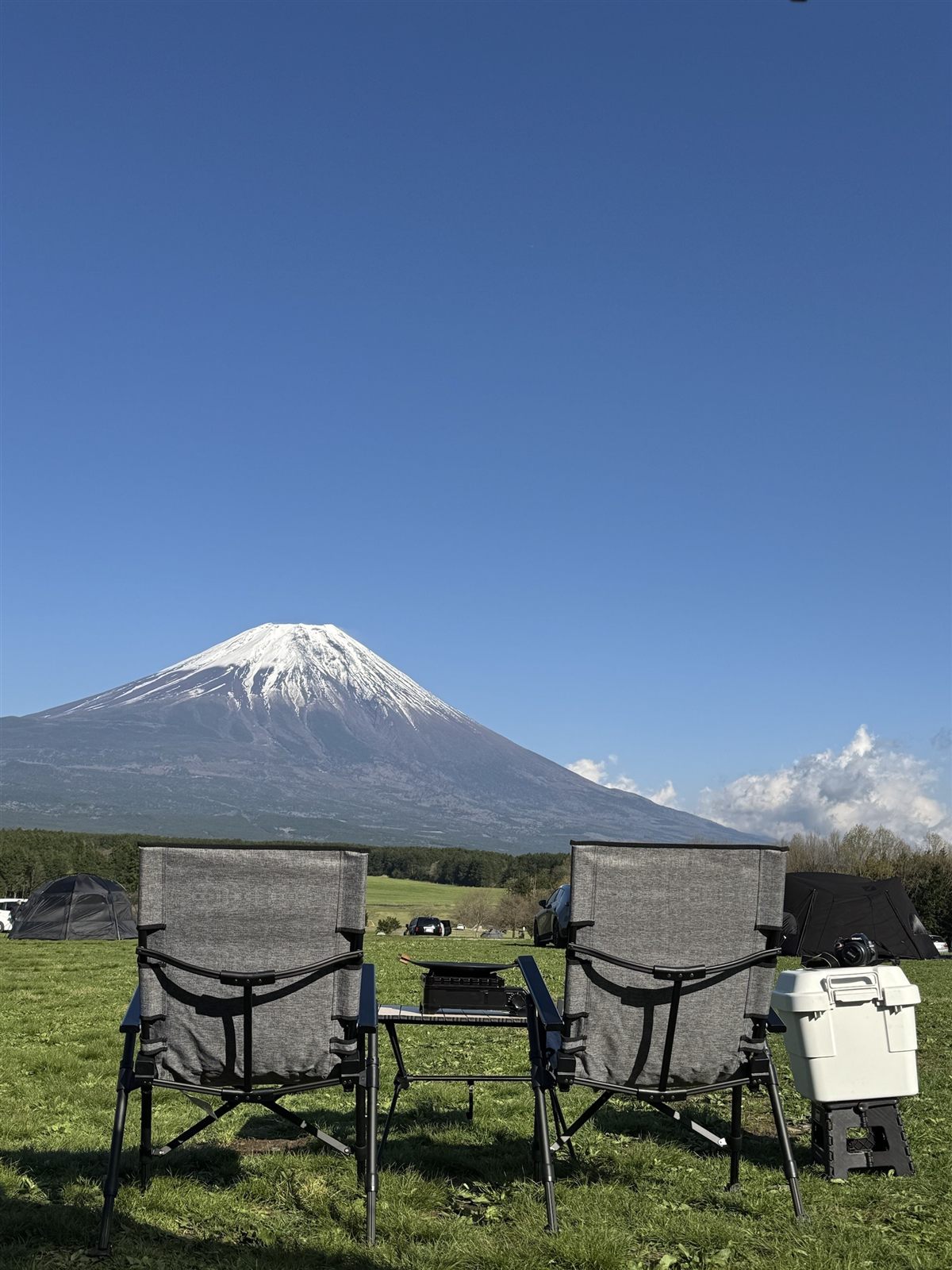
At Fumotoppara, a campsite at the foot of Mt. Fuji, the wind went over 10 m/s (about 22 mph) one day, and we stopped using the stove. When the wind dropped a little, it worked fine again. Even a wind-resistant stove has limits, so do not force it on very windy days.
Never inside a tent
A cassette stove burns fuel, so do not use it inside a tent. There is a risk of carbon monoxide poisoning and fire. Always cook outside, in an open area.
Not too big a pan
With cassette stoves, a very large pan or griddle that covers the gas can area can make the can overheat. Check the manual for the pan sizes you can use.
Tough-Maru vs. Tough-Maru Jr.
There is also a smaller model, the Tough-Maru Jr. This comparison is based on retailer information, not our own use of the Jr.
| Item | Tough-Maru | Tough-Maru Jr. |
|---|---|---|
| Size | About 341 x 283 x 129 mm | About 286 x 192.5 x 122 mm |
| Weight | About 2.4 kg | About 1.6 kg |
| Max output | 3.3 kW | 2.3 kW |
| Load capacity | 20 kg | 10 kg |
| Burn time | About 75 min | About 102 min |
If you cook for two or more, or use big pots for hot pot, the regular Tough-Maru is the safer choice. The Jr. is smaller and lighter.
How to get one
The Tough-Maru is mainly made for the Japanese market, but it is also listed on Amazon.com. When we checked in October 2026, the black model (CB-ODX-1-BK) was in stock there, sold by a third-party seller and shipped by Amazon. → Iwatani Tough-Maru on Amazon.com
Prices and sellers change, so check the listing details before you buy. If you are in Japan, you can also find it in electronics stores, home centers, and outdoor shops.
The stove uses standard butane cassette cans (CB cans). Before you buy it outside Japan, check that you can get these cans where you live. Also note that you cannot bring gas cans on a plane, so buy them locally.
Summary
The Tough-Maru is a cassette gas stove that handles normal windy days well, packs into its own case, and works at home too. Just do not push it in very strong wind, and never use it inside a tent.
More about camping in Japan
If you are planning to camp in Japan, my book explains booking, campsite rules, and how Japanese campers cook and stay comfortable. → Camping in Japan: A Local’s Guide for First-Timers (Amazon)