
Fumotoppara (ふもとっぱら) is one of the most famous campsites in Japan. The reason is simple: Mt. Fuji stands right in front of you, with nothing in the way.
My wife and I stayed here for several nights. This guide shares what we saw and did, plus the practical things you should know before you book. Where I share information I researched rather than experienced, I say so.
Why Fumotoppara is special
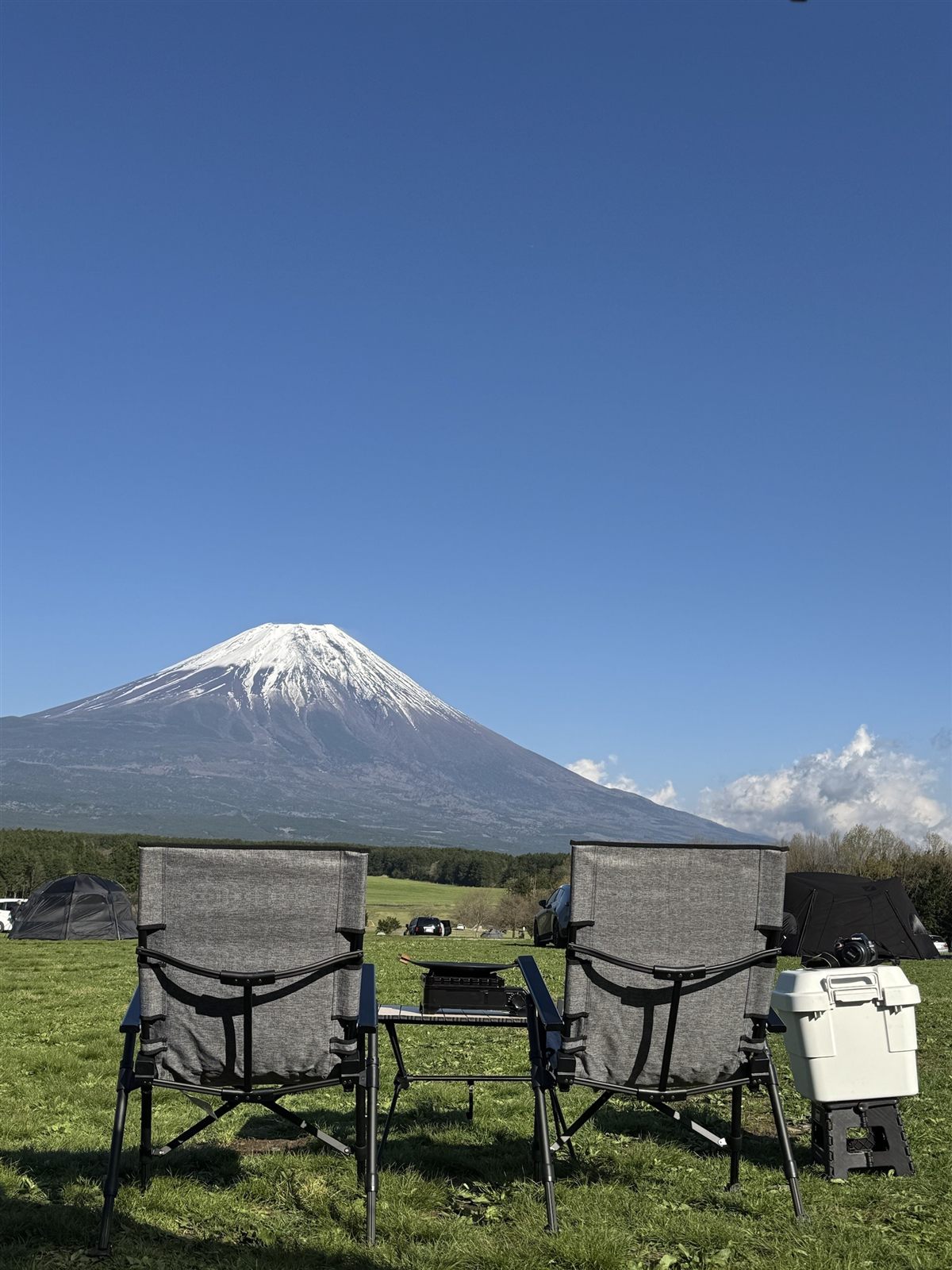
We love campsites with a view of Mt. Fuji, and Fumotoppara is one of our favorites. The mountain has an overwhelming presence here. Combined with the wide grassland and the nature around it, it makes a scene you do not forget.
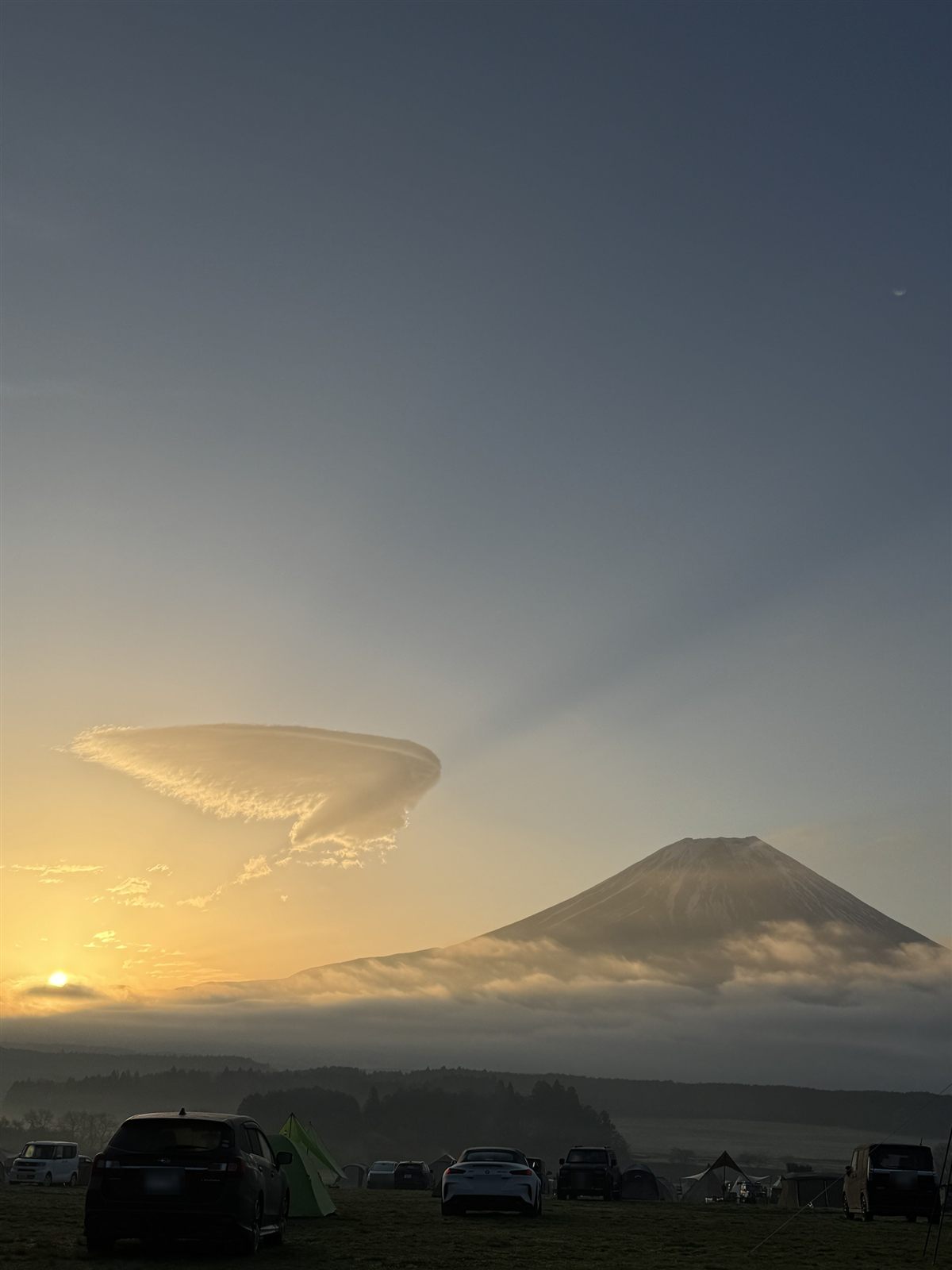
If you can, get up for the sunrise. Watching the morning light reach Mt. Fuji was truly moving. One morning, a huge lens-shaped cloud floated next to the mountain while the sun came up.
Fumotoppara at a glance
This is what the official website says as of October 2026. Rules and prices can change, so please check the official site before your trip.
| Item | Details |
|---|---|
| Location | Fujinomiya, Shizuoka Prefecture (west side of Mt. Fuji) |
| Elevation | About 830 m (about 2,720 ft) |
| Site type | Free sites only: pitch anywhere in the open field |
| Car | You can park right next to your tent (auto camping) |
| Check-in | 8:30 to 17:00 |
| Check-out | 14:00 |
| Campfires | No fires on the ground. Use a fire stand or BBQ grill |
| Booking | Online only, through the official website |
| Same-day visits | Not accepted when the campsite is fully booked |
Our stay, from fire to beer
We usually camp for one night, but at Fumotoppara we stayed longer. Two or more nights let you really slow down, and this place is worth it.
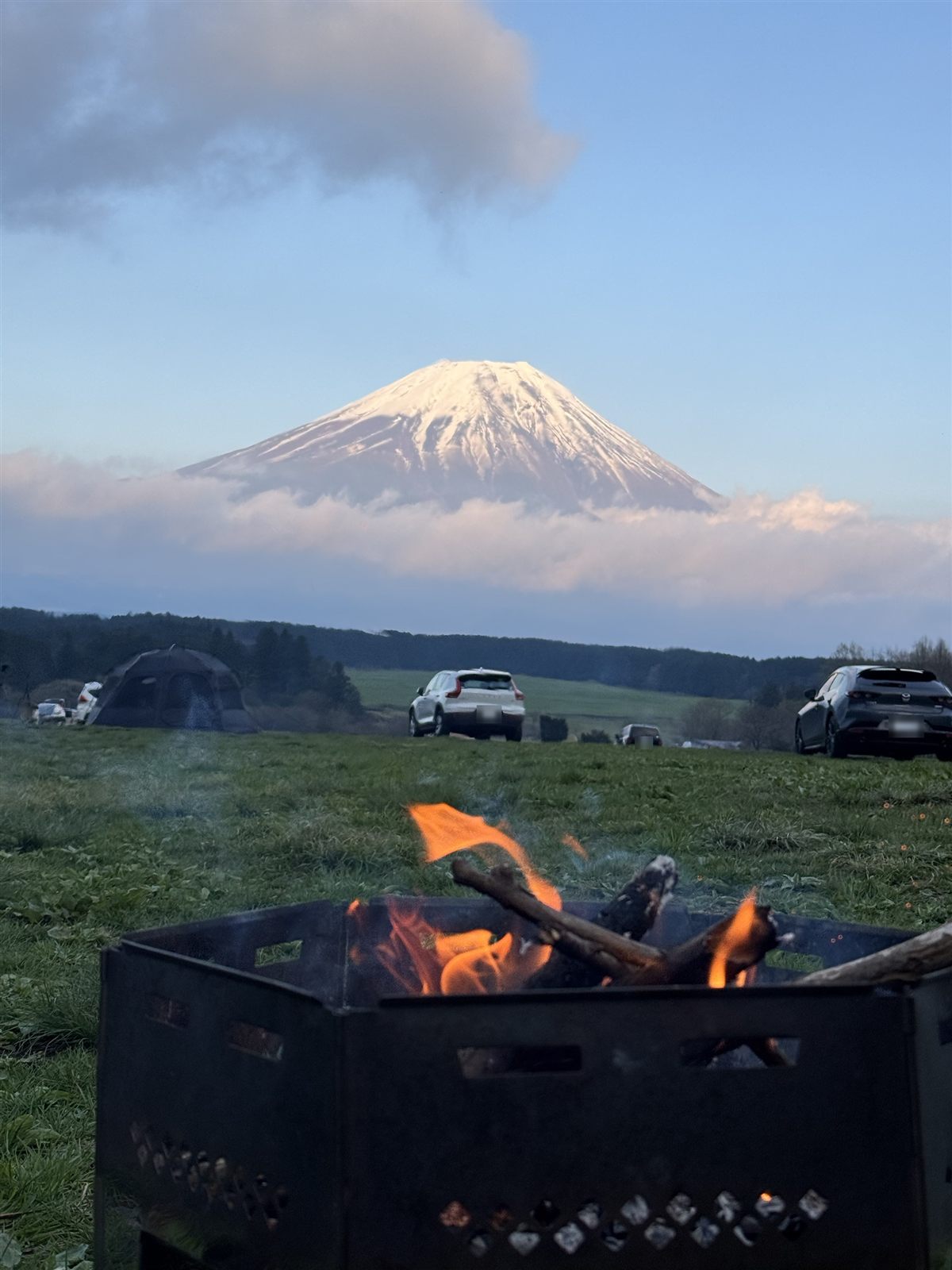
Our days looked like this. After setting up, we sat in our chairs and simply looked at the mountain. In the evening, we started a fire in our fire stand and cooked dinner while the snow on Mt. Fuji turned pink.
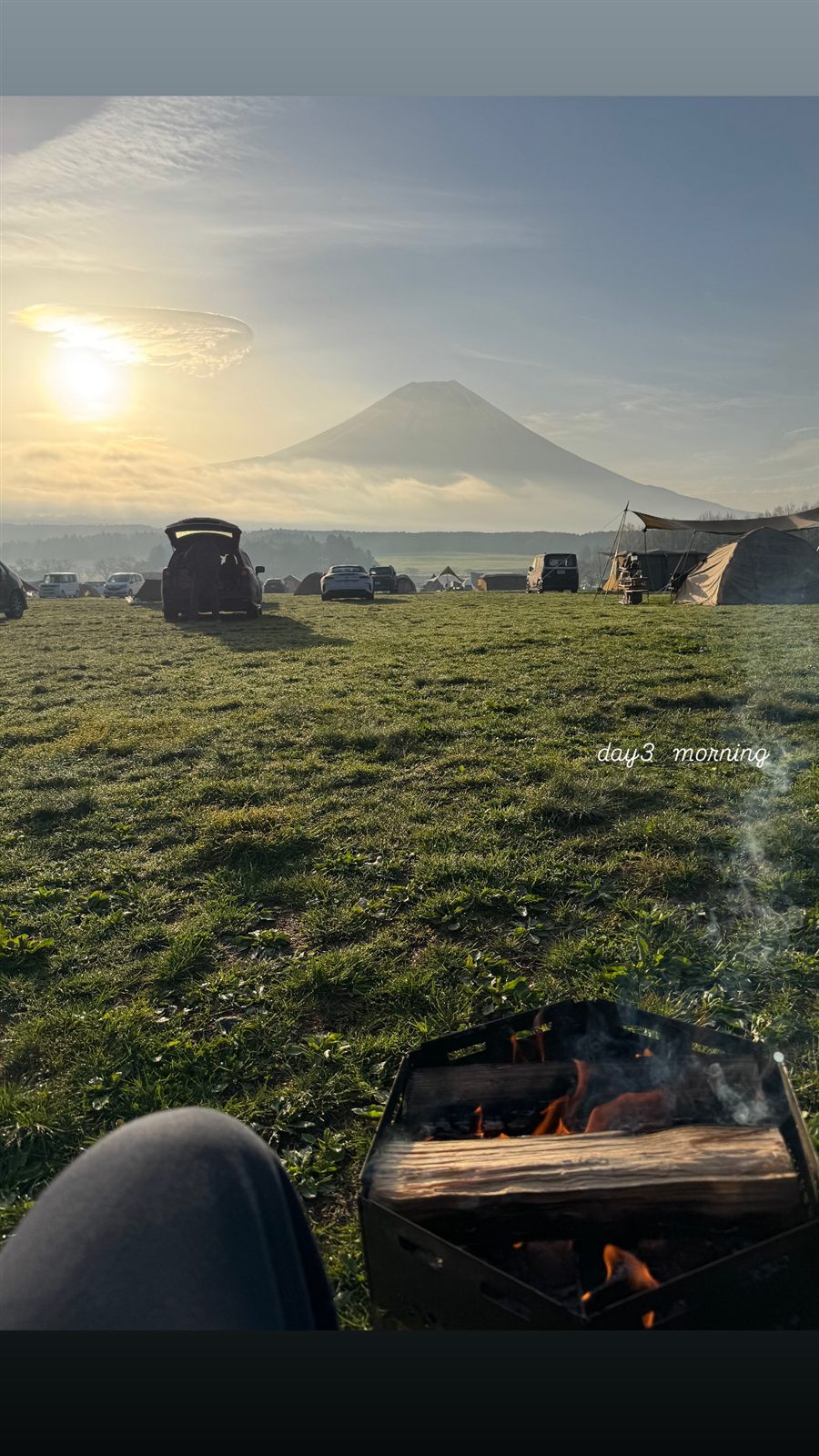
In the morning, we restarted the fire, boiled water, and had something warm to drink.
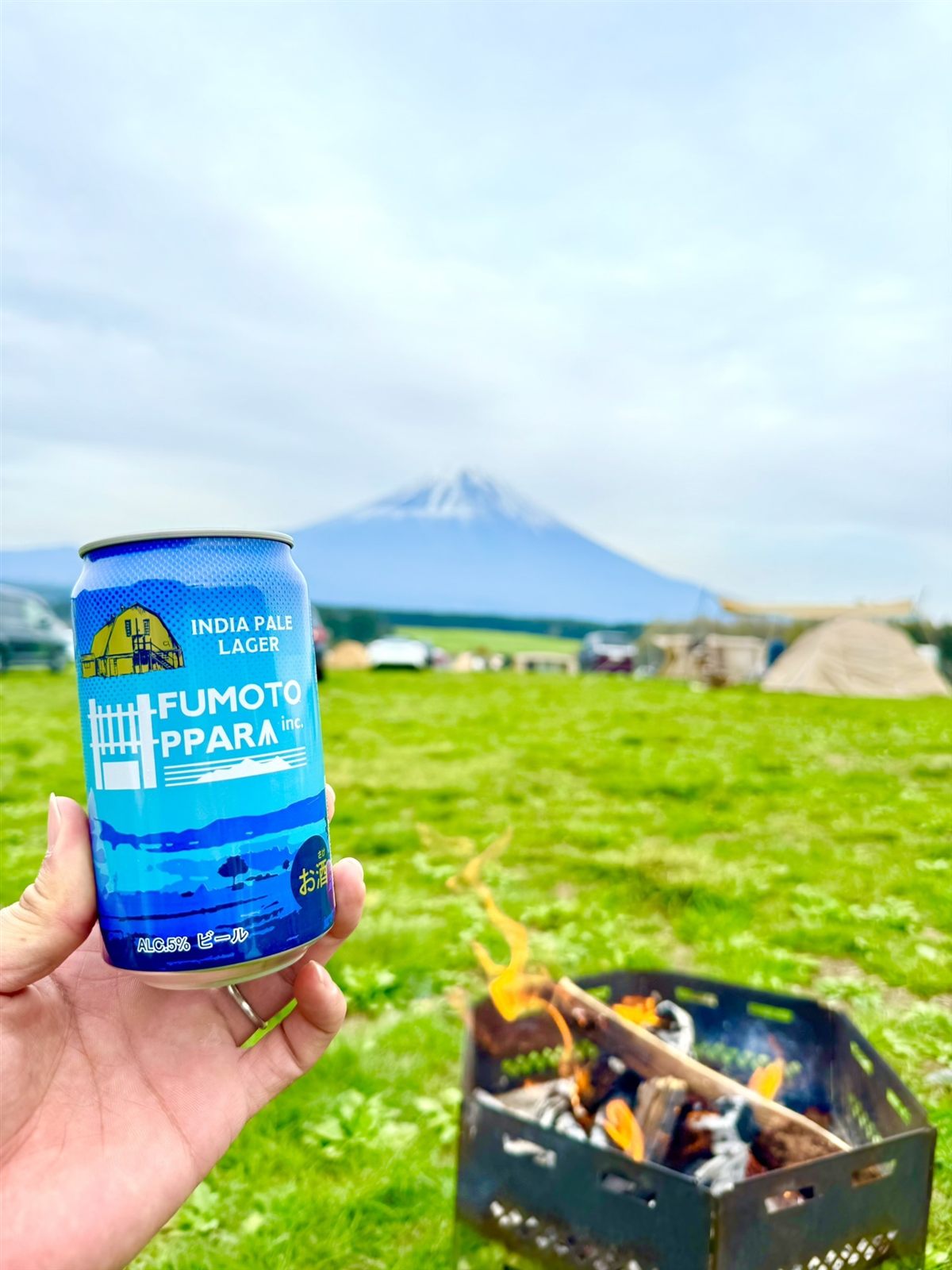
The campsite also sells its own craft beer. We enjoyed a can of their India Pale Lager by the fire, with the mountain behind it. We also saw cows grazing in the fields near the campsite, which made the view feel even more peaceful.
Things to know before you go
Wind can be strong
Fumotoppara is a wide, open field, so there is little to block the wind. During our stay, the wind went over 10 m/s (about 22 mph) at one point, and we stopped cooking on our stove until it calmed down. On very windy days, campsites in Japan may also ban campfires, so listen carefully to what the staff tell you at check-in.
Mornings and evenings are cool
The official site says the campsite is at about 830 m, so mornings and evenings are cool and the midday sun is strong. Bring warm layers even outside of winter. For cool nights, we bring a warm jacket, blankets, and sleeping bags.
Book early
Fumotoppara is very popular. The official site says it does not accept same-day visitors when it is fully booked. For any campsite you really want, we recommend booking at least two weeks ahead, and earlier for weekends and holidays.
Pick your spot
Because every site is a free site, you choose where to pitch your tent. If you can, go for an edge or a corner. You will have fewer neighbors and a quieter night.
Garbage and ashes
According to the official site, garbage goes in special campsite garbage bags (200 yen from October 1, 2026), and leftover food should go in those bags or be taken home. Never pour ashes, food scraps, or oil down the sinks.
Facilities (from the official site)
- An on-site hot spring bath (onsen), heated with a firewood boiler.
- A shop that sells firewood, charcoal, ice, and gas canisters. Firewood sales end at 17:00.
- Vending machines for drinks around the campsite.
Check the official website for bath hours and prices, as they are not listed on the pages we checked.
Getting there
The campsite recommends coming by car. There is also a bus option (Fujikyu Bus), but we have always driven to campsites, so we cannot share our own experience with the bus. If you do not have a car in Japan, my book has a chapter on camping without one, based on research.
Summary
Fumotoppara gives you Mt. Fuji, a huge open field, campfires, and an onsen, all in one place. Book early, watch the wind, bring warm layers, and get up for at least one sunrise.
Want more tips for camping in Japan?
My wife and I wrote a short guide for visitors who want to try camping here: how to find and book campsites, the rules Japanese campers follow, and how we camp in comfort. → Camping in Japan: A Local’s Guide for First-Timers (Amazon)